
One of the things I love most about real estate is that it's never just about the house.
Yes, buyers care about price, square footage, and location. But after years of walking properties with clients across Brentwood, Santa Monica, Venice, Pacific Palisades, Mar Vista, Beverly Hills, and beyond, I've noticed that the conversation has changed.
Today's buyers are asking a different question: How will my life feel here?
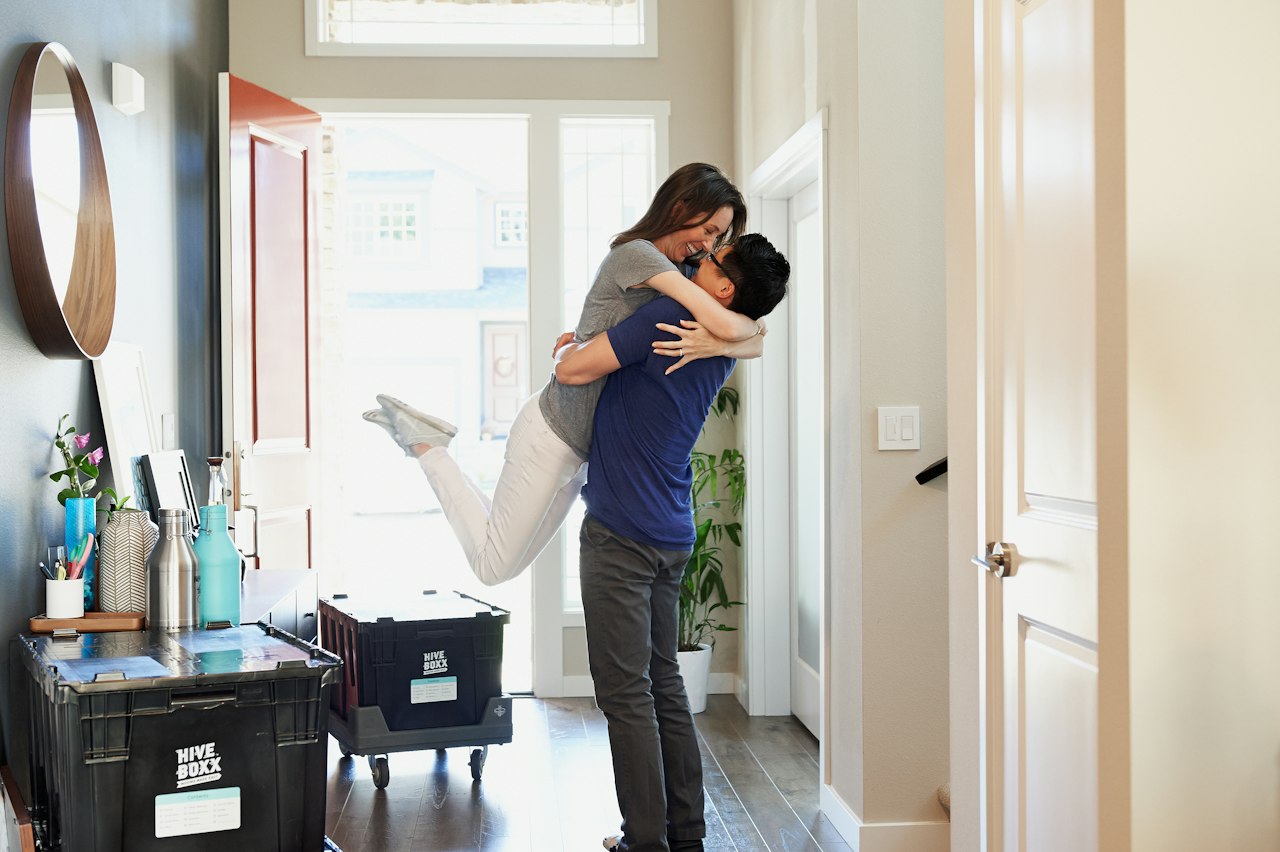
A few years ago, the focus was often on maximizing square footage or finding the biggest house within a budget. Today, buyers are paying much closer attention to how a home actually lives. Natural light matters. Privacy matters. A strong indoor-outdoor connection matters. The feeling someone gets when they walk through the front door often carries more weight than an extra bedroom or a few hundred additional square feet.
I've had buyers walk into a perfectly good house on paper and immediately lose interest because it felt dark, disconnected, or lacked warmth. I've also seen buyers fall in love with a home that wasn't the largest or most updated option simply because it felt right. Real estate will always involve numbers, but there's an emotional component to buying a home that is impossible to ignore.
The shift toward remote and hybrid work has only accelerated that trend. Almost every buyer I work with wants some version of a dedicated workspace. It doesn't necessarily have to be a formal office, but there needs to be a place to focus, take meetings, and create separation between work and home life. That wasn't always the case.
I've also noticed that buyers are thinking more carefully about how they use their homes throughout the day. They're imagining where they'll have their morning coffee, where the kids will do homework, where they'll host friends for dinner, and where they can retreat for a little peace and quiet. Functionality still matters, but it's increasingly tied to lifestyle rather than just square footage.
Design has become another major differentiator.
"Turnkey" used to mean recently renovated. Now it means thoughtfully renovated. Buyers notice when materials feel cheap or when finishes don't work together. They want homes that feel cohesive and intentional, not just updated for the sake of being updated.
This is especially true on the Westside, where buyers often have plenty of options and are exposed to great design on a regular basis. Whether it's a contemporary home in Venice, a traditional home in Brentwood, or a condo in Santa Monica, buyers are looking for spaces that feel curated rather than assembled.
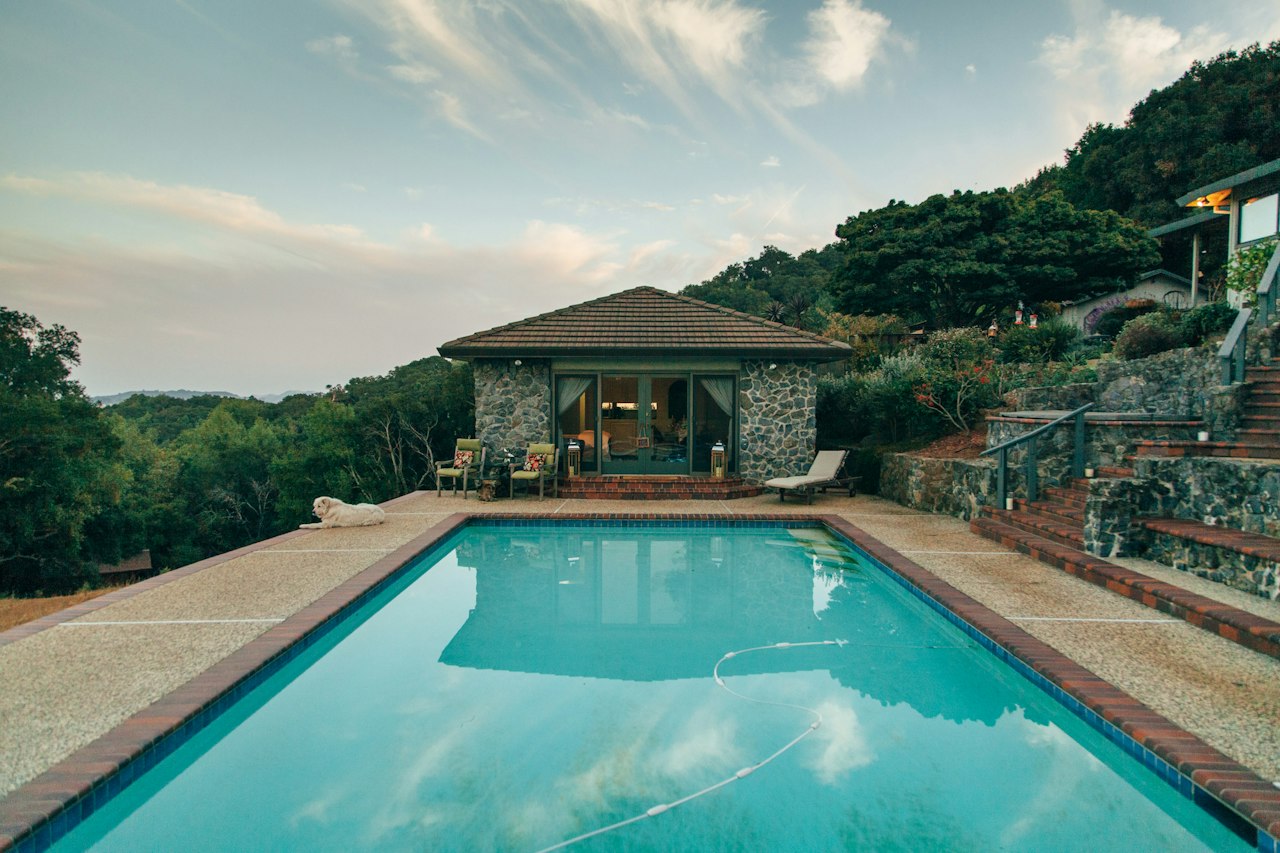
Wellness is another theme that comes up more often than ever. People are paying attention to natural light, outdoor space, walkability, air quality, and opportunities to move their bodies. Whether it's a backyard for their kids, proximity to hiking trails, access to the beach, or simply a neighborhood where they can walk to coffee in the morning, buyers are thinking about how a home supports their overall quality of life.
On the Westside, lifestyle has always been part of the value proposition, but I think buyers have become much more intentional about it. They're not just buying a home. They're buying a daily experience.
At the same time, buyers are becoming more practical.
Insurance costs, maintenance requirements, environmental considerations, and long-term ownership expenses are all part of the conversation. Particularly following recent wildfire events and rising insurance costs across California, buyers are asking more questions than they used to. They want to understand not just what a property costs today, but what ownership will look like five or ten years from now.
Homes that feel straightforward and well-positioned tend to create confidence. Homes that feel complicated or uncertain often generate hesitation, even when they're otherwise attractive.
Perhaps the biggest thing I've noticed is that buyers increasingly value simplicity.
Even buyers who have the resources to renovate are often choosing not to. They'd rather spend their time enjoying their lives than managing contractors, permits, and construction projects. Convenience has become its own form of luxury. A move-in-ready home that allows someone to settle in immediately can often command a premium because it removes friction from the process.
The bottom line is that today's Westside buyers are incredibly informed. They're not just comparing homes—they're comparing lifestyles. They're evaluating which property best supports the way they want to live over the next five, ten, or twenty years.
For sellers, understanding this shift is critical. The homes that generate the strongest interest are often the ones that tell a clear story about how life will be lived there. And for buyers, clarity about your priorities has never been more important. The "best" home is rarely the one with the longest list of features. It's the one that aligns most closely with the life you're trying to create.
That's what makes real estate so fascinating. Markets change. Interest rates change. Inventory levels change. But at the end of the day, the most successful decisions are usually the ones that connect a home to a vision for the future.
If you're thinking about buying or selling on the Westside, let's talk. Mike Goldfarb Properties understands what Westside buyers value most and that can be the difference between a good outcome and a great one.