Culver City is its own city with its own transfer tax, and unlike LA's mansion tax, it applies well below the luxury price points. The median sale was about $1.40 million in September 2026, according to Redfin.
If you're selling here, this tax needs to be in your net sheet from day one.
What's Here?
The city's housing plan describes a real mix: roughly half single-family and half multifamily as of 2020, with about 63% of homes at least 50 years old. Much of it comes from postwar subdivisions and later infill.
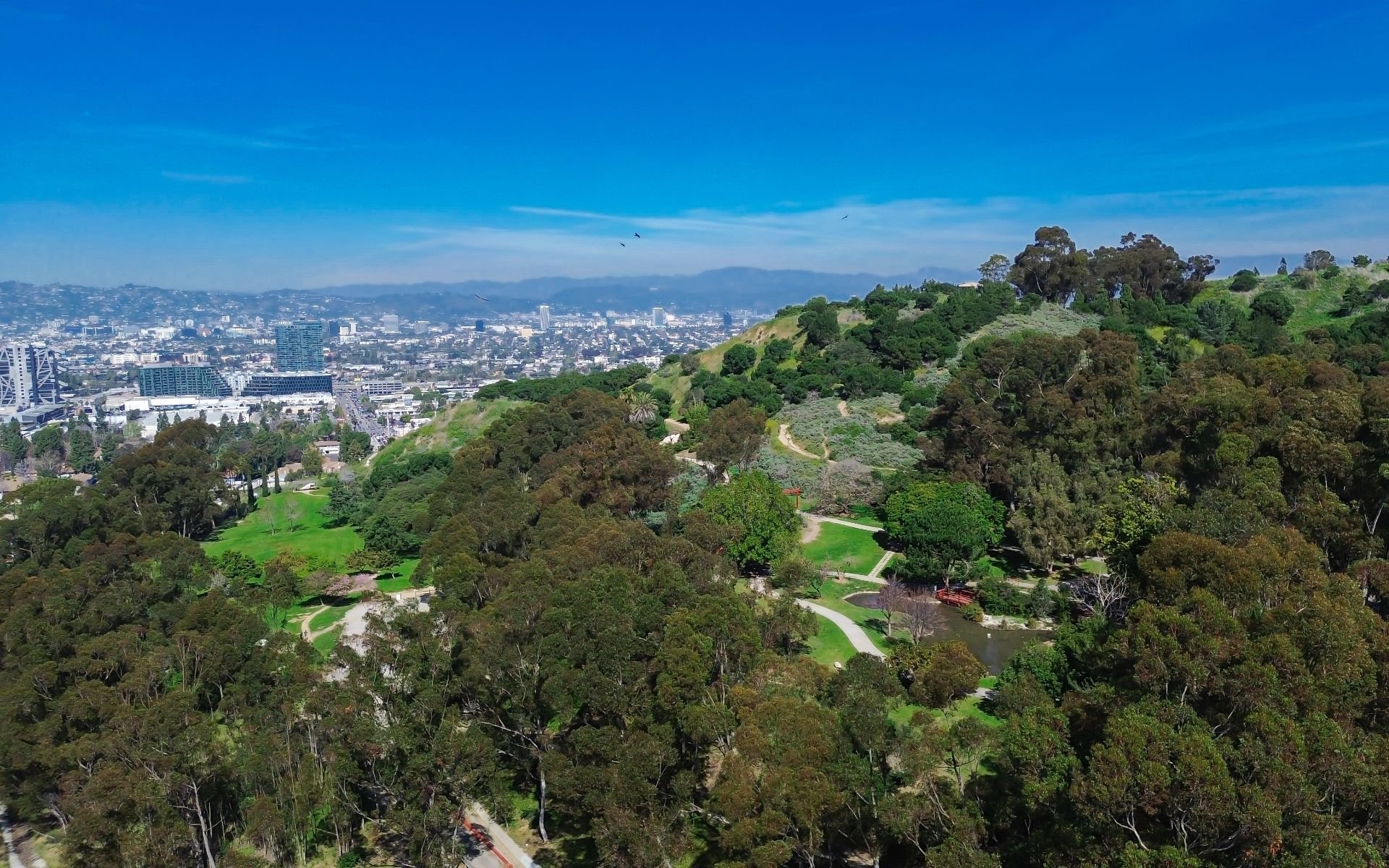
You also get an E Line station, which matters in a part of town where the 405 is a personality trait. For views, the Baldwin Hills Scenic Overlook has two trails and a climb you'll feel the next day.
If You're Selling in Culver City
Measure RE sets marginal rates: 0.45% up to $1,499,999, 1.5% from $1.5 million to $2,999,999, 3% from $3 million to $9,999,999, and 4% at $10 million and above.
On a $2 million sale, the city's formula comes to $14,250. Marginal means there's no ULA-style cliff, which is good news. Who pays is negotiable, and the city says either party can be on the hook, so spell it out in the contract. The thresholds are also set to adjust over time, so confirm the current brackets with the city.
Redfin showed about 49 days on market in September, so well-prepared homes can move here.
If You're Buying in Culver City
Buying to rent it out? The city's rent cap is 3.25% for increases effective June 1, 2026 through June 30, 2027, and it covers units built on or before February 1, 1995. Single-family homes, condos and townhomes are generally exempt, with exceptions.
Also, confirm the parcel is actually inside city limits before you run the numbers. Addresses around here can fool you.
The Numbers
Redfin, September 2026: median sale price $1,399,334, 84 homes sold, about 49 days on market, all home types. See the source.
Updated November 2026. General information, not legal or tax advice. Rules and numbers change, so confirm them for your specific property.